
Acne is a chronic inflammatory skin condition that affects individuals across all ages and skin types. At Luxe Divine, we believe effective acne care begins with understanding the root causes of breakouts and supporting the skin with evidence-based, consistent solutions.
This guide explains why acne develops, how to treat it safely, and how to prevent acne from returning through dermatologist-recommended skincare and lifestyle practices.
Understanding Acne: What Happens Beneath The Skin
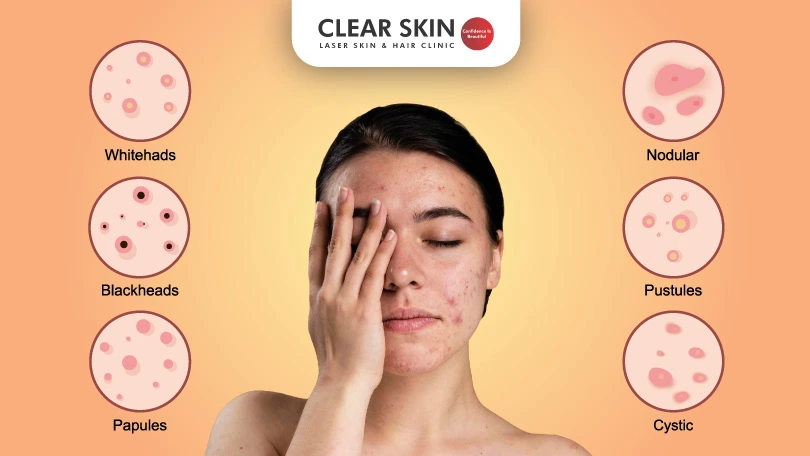
Acne forms when pores become congested with excess oil (sebum), dead skin cells, and bacteria. This congestion creates inflammation, resulting in:
- Blackheads and whiteheads
- Inflammatory pimples
- Painful cystic or nodular acne
Breakouts commonly appear on the face, chest, back, and shoulders, areas with higher sebaceous (oil) gland activity.
What Causes Acne?
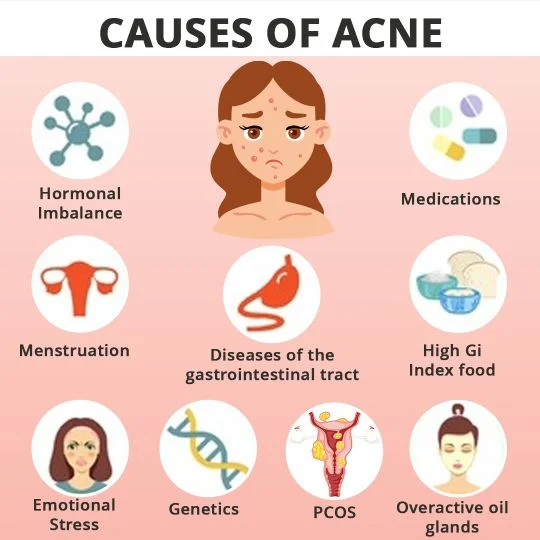
Acne is multifactorial, meaning several triggers often act together.
1. Excess Sebum Production
Hormonal fluctuations stimulate oil glands, leading to increased sebum and clogged pores.
2. Impaired Skin Cell Turnover
When dead skin cells accumulate instead of shedding naturally, pores become blocked.
3. Acne-Causing Bacteria
Cutibacterium acnes bacteria multiply within clogged pores, triggering redness, swelling, and breakouts.
4. Hormonal Changes
Hormonal acne is common during puberty, menstruation, pregnancy, and periods of high stress.
5. External and Lifestyle Factors
Comedogenic products, environmental pollution, stress, and dietary choices can contribute to acne flare-ups.
How to Prevent Acne from Coming Back
Long-term acne control requires consistent care that supports the skin barrier while targeting acne triggers.
1. Build a Consistent, Gentle Skincare Routine
- Cleanse morning and night with a dermatologist-approved, non-comedogenic cleanser.
- Avoid harsh scrubs and excessive exfoliation.
- Always remove makeup before sleeping.
2. Hydration Is Essential for Acne-Prone Skin
Dehydrated skin compensates by producing more oil. Use a lightweight, oil-free moisturizer to maintain balance and reduce future breakouts.
3. Use Clinically Proven Acne Ingredients
Look for formulations containing:
- Salicylic acid to unclog pores.
- Benzoyl peroxide to reduce acne-causing bacteria.
- Retinoids to normalize skin cell turnover and prevent congestion.
- Introduce active ingredients gradually under professional guidance.
4. Avoid Picking or Touching Breakouts
Manipulating acne worsens inflammation and increases the risk of scarring and post-inflammatory hyperpigmentation.
5. Support Skin Health Through Nutrition
Some individuals experience clearer skin by:
- Reducing high-glycemic foods.
- Moderating dairy intake.
- Emphasizing whole foods, antioxidants, and omega-3 fatty acids.
6. Manage Stress to Reduce Hormonal Triggers
Chronic stress elevates cortisol, which can worsen acne. Adequate sleep, exercise, and stress-management techniques are essential for skin health.
7. Maintain Clean Beauty Tools and Products
- Wash makeup brushes weekly.
- Avoid expired skincare or cosmetics.
- Choose non-comedogenic, dermatologist-tested makeup.
8. Protect the Skin with Daily Sunscreen
Sun exposure can worsen acne marks and compromise the skin barrier. Use a non-comedogenic, broad-spectrum SPF daily.
Professional Acne Treatments
For moderate to severe or persistent acne, professional care is recommended. Dermatology-guided treatment options may include:
- Prescription topical therapies
- Oral medications or hormonal treatments
- Advanced in-clinic procedures
Early intervention reduces the risk of long-term scarring and pigmentation.
Our Approach to Acne Care
At Luxe Divine, our acne solutions are developed with:
- Dermatologist-backed formulations
- Clinically proven ingredients
- Skin-barrier–supporting technology
Our goal is not only to treat active acne but to restore skin balance and prevent future breakouts.
Final Thoughts
Acne is not a reflection of poor hygiene—it is a medical condition that requires informed, consistent care. With the right products, professional guidance, and lifestyle support, long-term clear skin is achievable.
Healthy skin starts with understanding—and maintaining it starts with consistency.

